


01.
First draft in 48 hours
The clock starts when the brief lands, not after a kickoff call. Ten to fifteen slides, drafted while Europe sleeps.
 re.works
re.works
re.works
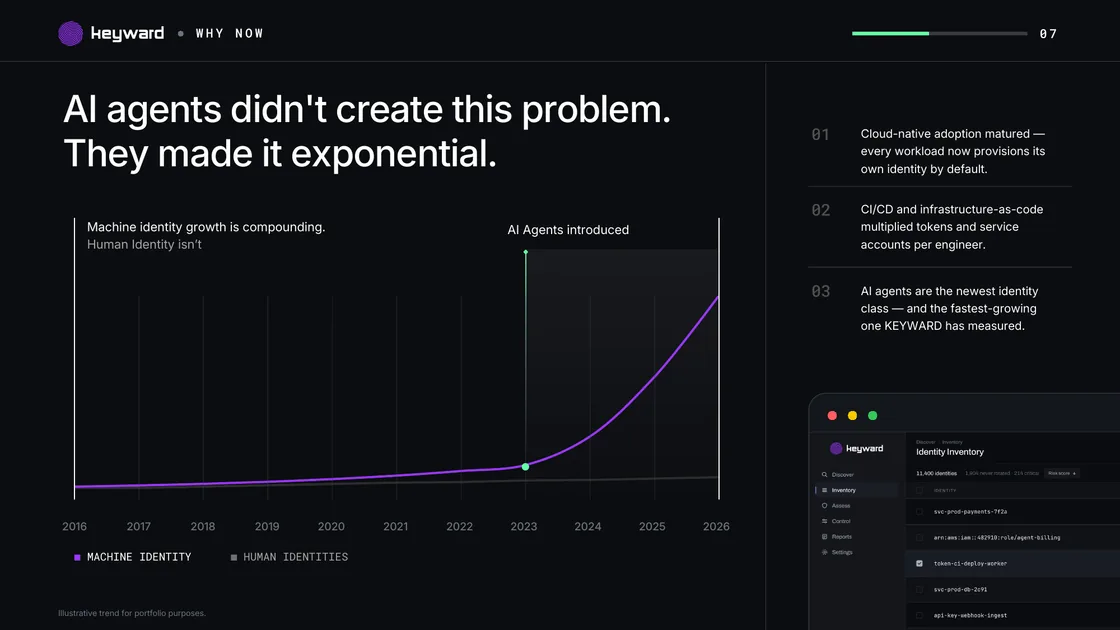
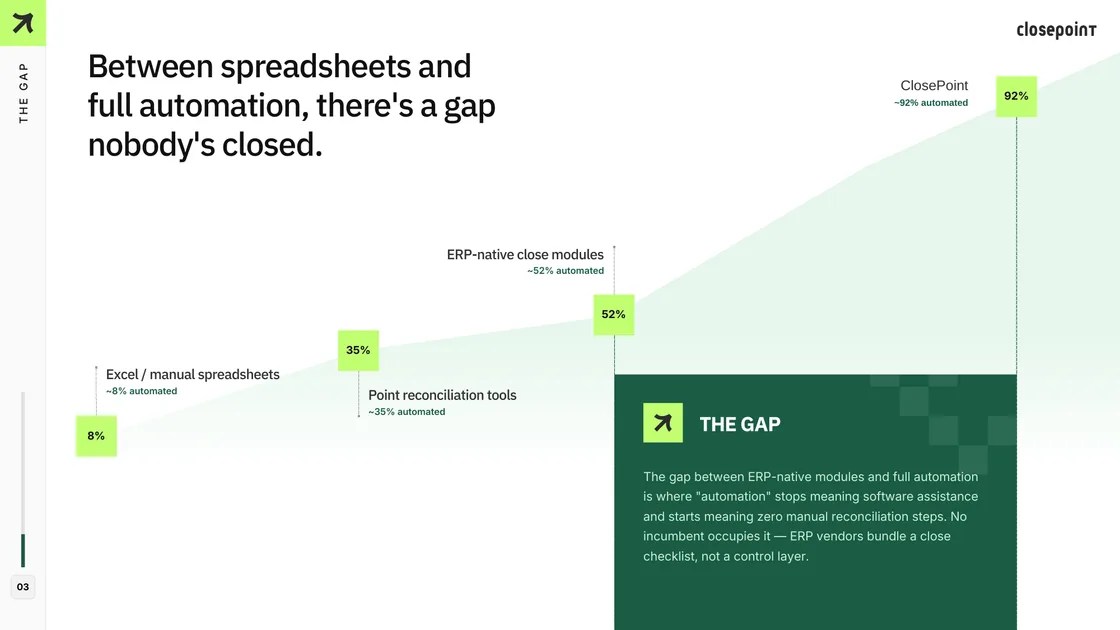
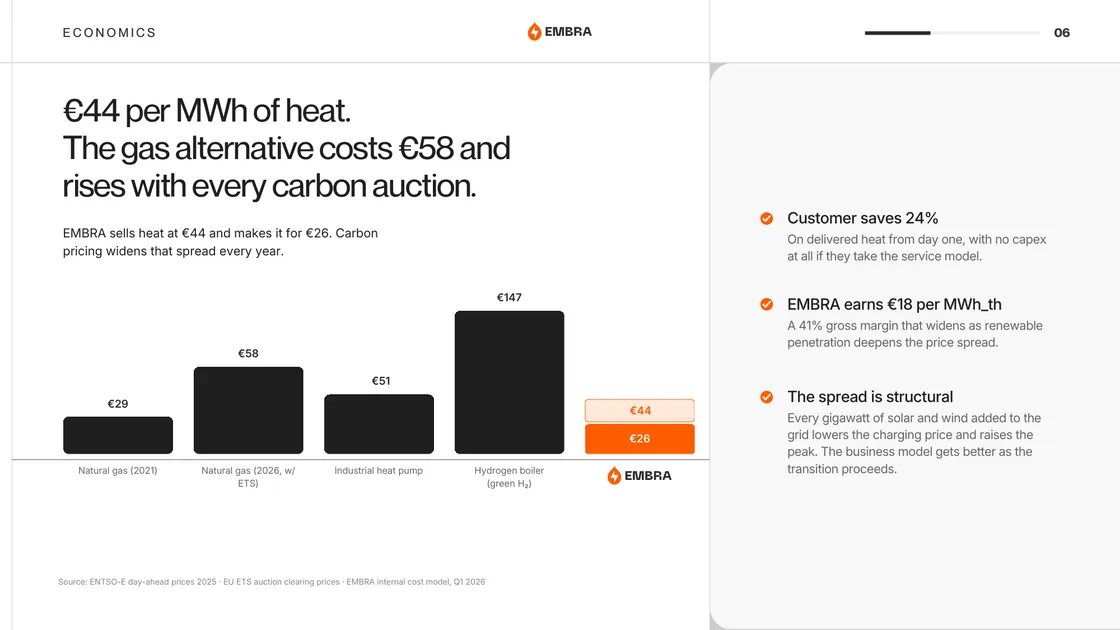
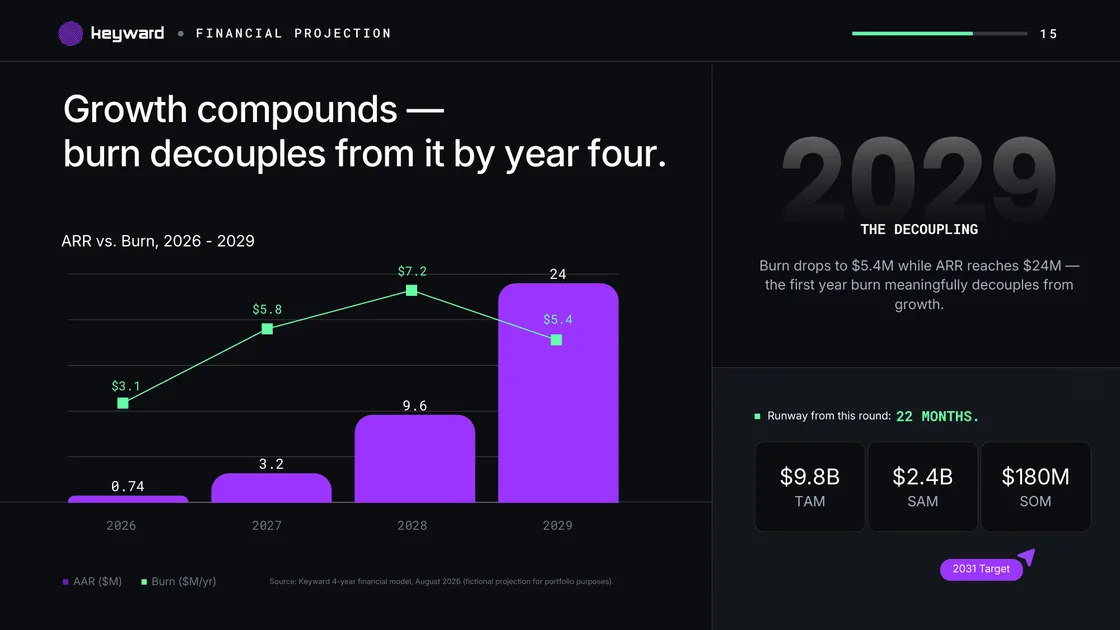

re.works is Rezka Endarto — a creative designer in Jakarta who designs investor decks. Nineteen companies, sixteen sectors, Seed through Series B, most of it under NDA for a European fundraising consultancy.
Most of my investor decks are produced under NDA for a European fundraising consultancy, so they can't go on a public page — the three below are self-initiated.
Nineteen companies since 2024, every deck produced end to end — most of them under NDA for a European fundraising consultancy.
Deep tech and hardware, financial services, enterprise software, consumer platforms. Sixteen sectors, the same method in each.
From the first institutional round through growth rounds. What a partner tests changes at every stage; the structure holds.
First draft per deck, ten to fifteen slides. Jakarta sits ahead of European mornings, so work moves overnight and is waiting before your standup.
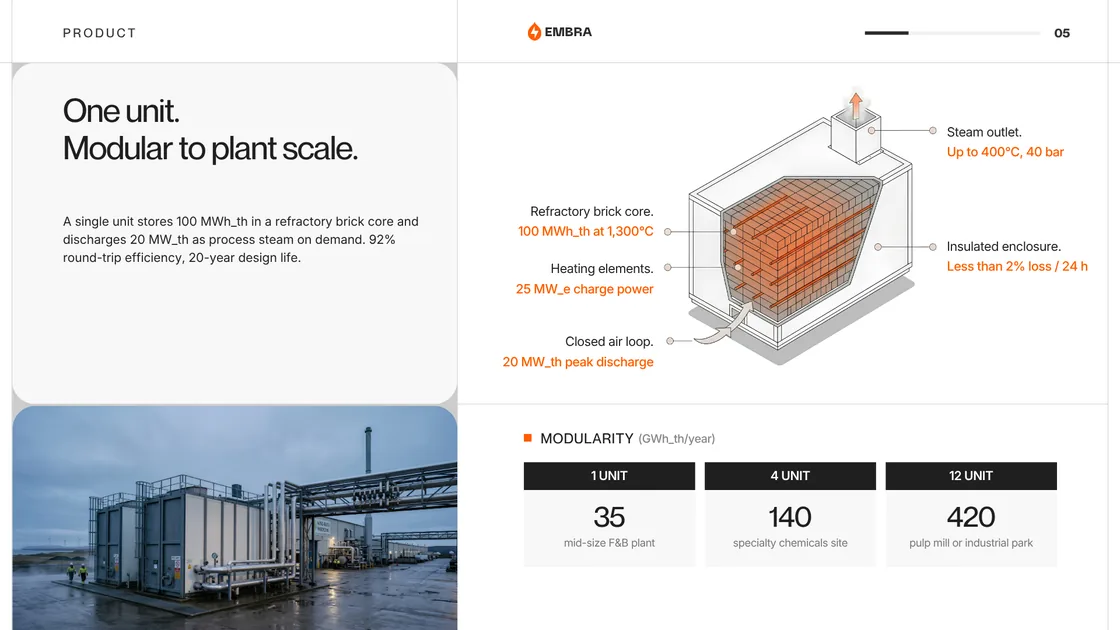
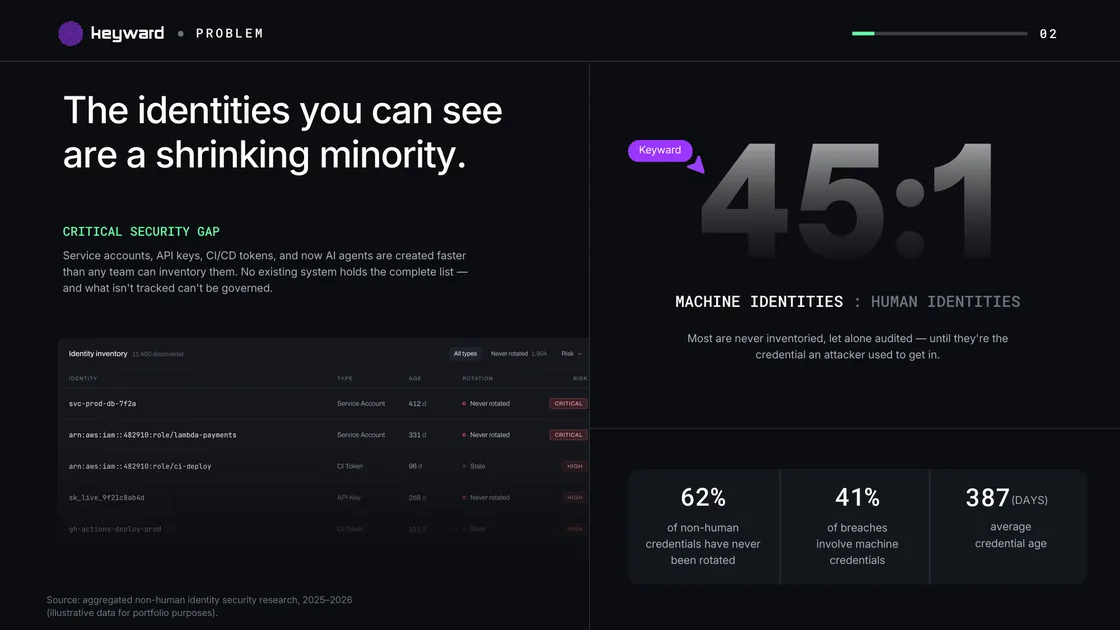
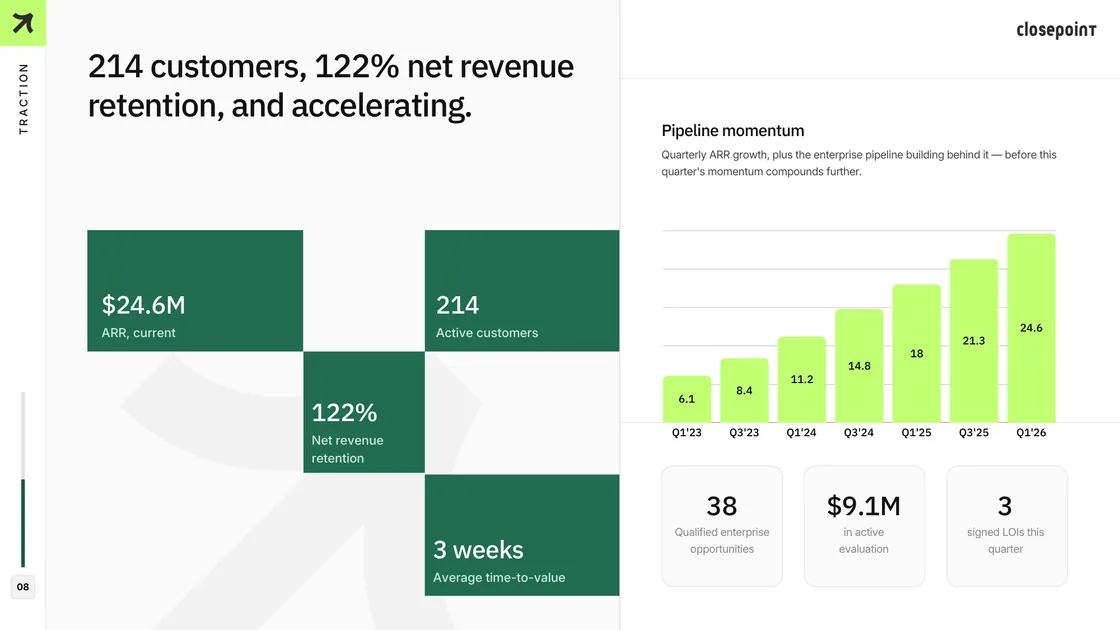
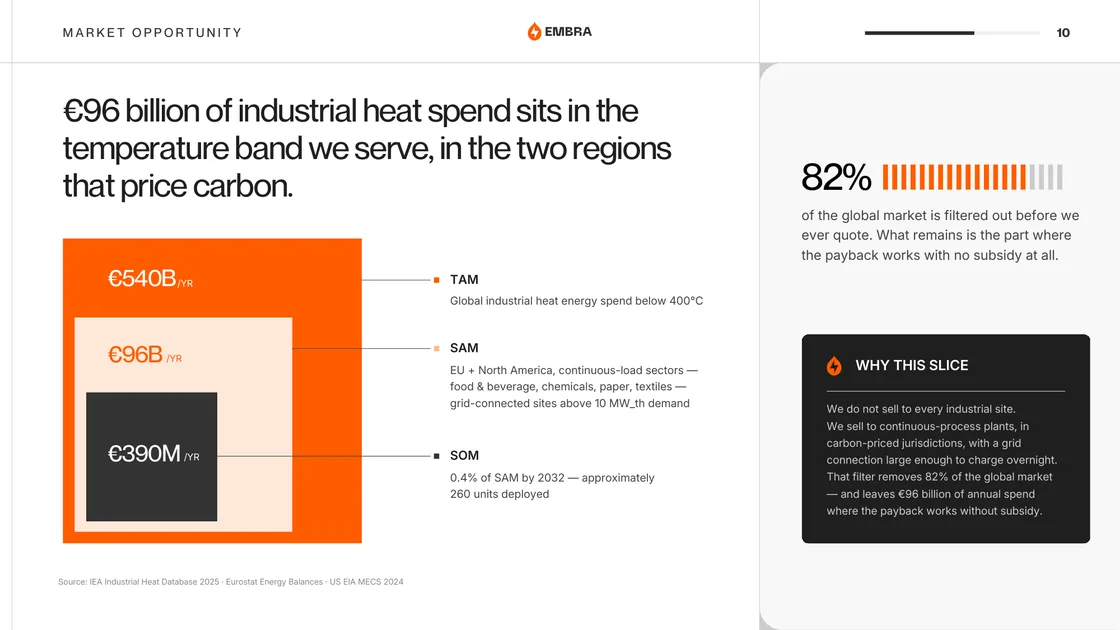
The three decks below are self-initiated — fictional companies, built to show the same judgment a real round would get. Client work stays under NDA.
Most decks fail before design starts. The argument isn't settled, so the slides paper over it — and a partner finds the seam in ninety seconds. Four steps, same order, every time. Structure that survives a hostile question. Design that survives a partner meeting. Files that survive your team editing them.
Send it however it exists — a doc, a transcript, an old deck, a voice note. I read all of it, then come back with what’s missing before quoting anything.
Slide order and the argument agreed before a single pixel. One line per slide stating what it has to prove. This is where decks are won or lost.
Built inside your brand kit, not mine. Charts drawn natively rather than pasted as screenshots. One accent colour, spent only where the argument needs it.
Files land where your team already works — Canva, Figma or PowerPoint — fully editable, no flattened images. Plus a note on what to change when the numbers move.
The clock starts when the brief lands, not after a kickoff call. Ten to fifteen slides, drafted while Europe sleeps.
Structure is signed off before design starts, so revisions land on execution instead of reopening the argument.
Built inside your brand kit, never a template. Charts drawn natively rather than pasted as screenshots.
Canva, Figma, PowerPoint, Keynote and more on request — whatever format the client asks for. Fully editable, nothing flattened.
Then that comes first: a one-page brand summary covering colour palette, typography, logo usage and the slide components — cover, chart, table. It is a small piece of work in its own right, not part of the deck. Starting a deck without one is where the largest revisions come from.
Yes. The deck goes out under your name, inside your brand kit, without ever touching your client relationship.
Not as files, and not on a public page. Twenty minutes on a screen-share, nothing sent.
Product design is the day practice, and it is the reason the decks work — a deck is an interface for an argument. Deck work is where this page starts and ends.